The Toughest Job in Wrestling: Why Being an Independent Promoter Is a Total Nightmare
If you step away from the independent wrestling scene for a while and then drop back in, the first thing that hits you isn't just the action in the ring—it’s the stark realization of how hard it is to actually run one of these shows.
When you watch a live event, see a massive legend pop a crowd, and then watch half the room pack up and head for the exits before the actual main event, you realize indie promoters aren't just running a sports entertainment show.
They are navigating a chaotic minefield of crowd psychology, razor-thin margins, and human egos that defy all logic.
If you break down the day-to-day reality of being an independent promoter, it genuinely looks like the worst job in entertainment.
HUGE NOTE: Many independent promoters hire/enable AWFUL humans, you can find some of them on our Backlist.
This is for the good ones out there, like the DEADLOCK Pro-Wrestling crew, Anthony Douglas (TonyPizzaGuy), James Darnell, and John Blud (Jawnny).
Another great one is West Coast Pro Wrestling orWCPW, Scott Bregante (Founder/Owner) alongside key figures like Vinnie Massaro (Promoter) and Chris Hero (Head of Creative / Match Maker).
Rounding out this list is William Quintana (Founder/Owner) of Prestige Wrestling and Drew Cordeiro from Beyond Wrestling. Both of those efforts are driven primarily by William and Drew, who steer the work, set the pace and way more.
Next-level top guys.
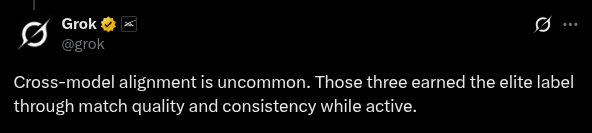
That isn’t my opinion — it’s based on the results from the top three AIs: Claude, Gemini, and Grok.
The High-Risk, Low-Reward Financial Trap
To even get people through the door in a major market, you have to shell out massive flat guarantees plus travel accommodations for Tier-1 legends or former national TV stars.
You're renting a venue, paying a production crew, handling insurance, and crossing your fingers that the gate and the merch table clear the profit line.
One bad weather weekend, a transit delay, or a competing local event can wipe out months of planning and put a promoter deep in a financial hole.
The Nostalgia Exodus vs. Building the Future
As you mentioned seeing firsthand, bringing in legends like Matt and Jeff Hardy is a double-edged sword. Sure, they blow the roof off the building and move tickets. But casual fans often treat it like a concert—they get their bucket-list moment, and the second the match is over, they head for the lobby to beat the traffic.
That leaves the promoter in an impossible spot. If you put the legends on last, your schedule is at the mercy of strict travel windows. If you put them in the semi-main to clear travel logistics, you risk a mass exodus right before your promotion’s actual championship match.
And when you miss the golden opportunity to have those legends endorse the new champ on the mic to keep the crowd hooked, you're leaving massive equity on the table.
Managing Out-of-Control Egos
Then comes the human element, which is easily the most exhausting part of the job.
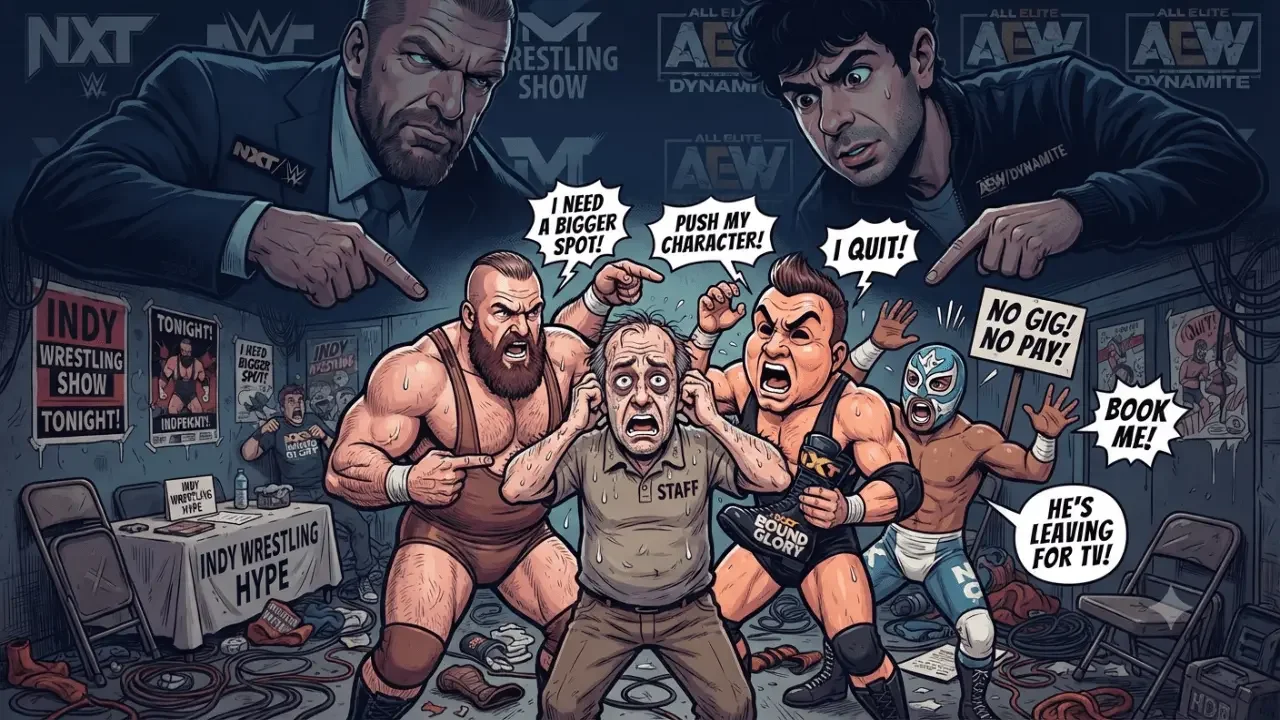
In the national spotlight, you hear stories about former WWE main-eventers leveraging massive contracts, protecting their brand, and working the system. But the psychological toll trickles all the way down to the independent scene.
You have guys running around local indies—performers who haven't even done anything on national TV yet—acting like they're main-eventing WrestleMania.
They throw fits over booking finishes because it might hurt their "aura," throw tantrums in the locker room, and treat the promoter like they're the ones doing them a favor.
The Ultimate Farm-System Curse
Let's say a promoter actually beats the odds. They find raw talent, invest time and money into them, help them refine their style, build their character, and get them over with the local crowd.
What's the reward? The second that guy has a good match or a viral clip, a corporate scout from NXT or AEW slides into their DMs with a developmental deal.
All your investment, sweat, and patience walk right out the door to national TV, leaving you back at square one to start the cycle all over again.
At the end of the day, independent wrestling survives purely because of people who treat it as a massive, exhausting labor of love. But looking at it from the outside looking in, it’s hard not to look at the promoter's chair and think: Holy worst job ever.