When the wrestling world underwent its massive reckoning in June and July 2020, the mainstream trades and corporate PR machines needed a quick fix.
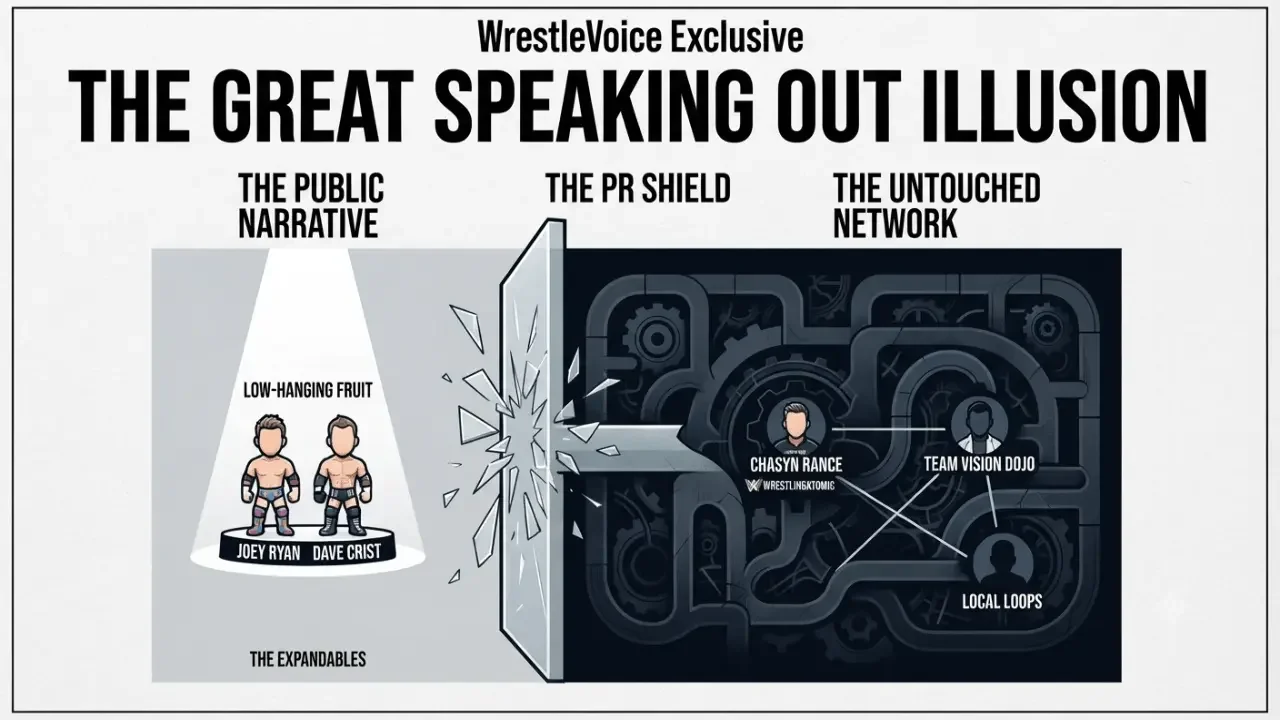
What followed was a masterclass in optics: a carefully curated sacrifice of low-hanging fruit designed to convince the public that systemic rot had been purged, while the actual structural machinery remained completely untouched.
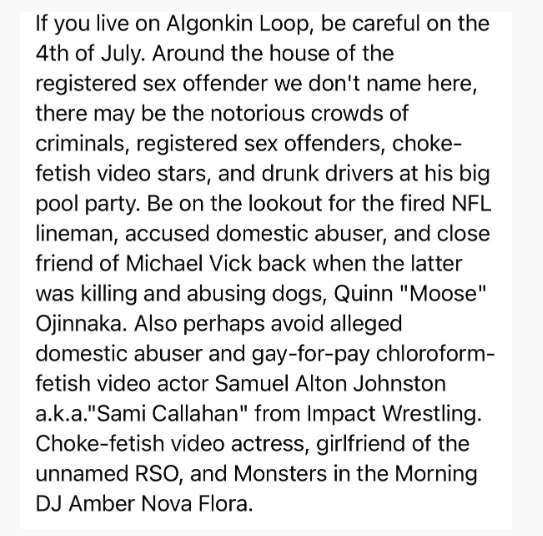
Via Crimewatch Orlando Avalon Park Waterford….Chasyn’s neighbors.
The Expendables: Naming the "Nobodies"
To create the illusion of sweeping reform, the industry fed a few convenient scapegoats to the timeline.
Joey Ryan: The media and corporate offices hyper-focused on a guy with a literal "dick gimmick," turning a cartoonish target into public enemy number one.
Dave Crist: Alongside Ryan, figures like Crist were excised to provide an easy, headline-grabbing narrative of accountability.
The Reality: Compared to the deeply entrenched regional operators, these figures were disposable props. Sacrificing them allowed the broader power structures to claim victory, wipe their hands clean, and pretend the job was done.
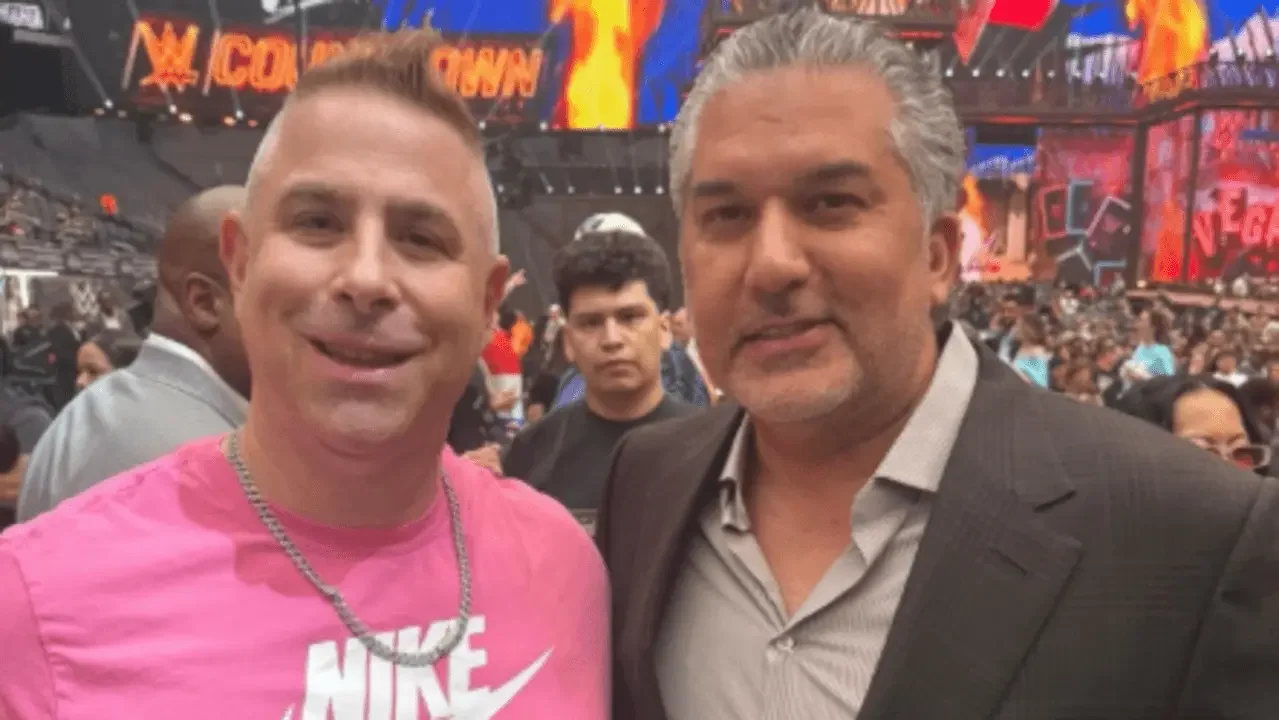
TKO Group’s Nick Khan posing with predator Rob Feinstein at WrestleMania, reported by one outlet…..us.
The Untouchables and Local Loops
While the spotlight blinded fans with high-profile internet bannings, the real operational hubs kept running in plain sight.
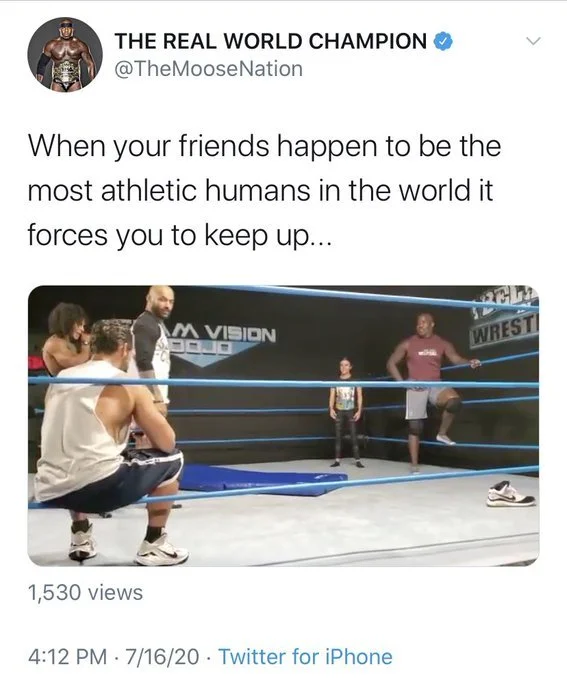
The Team Vision Dojo Blind Spot: Even weeks after Speaking Out and ongoing local news investigations, training photos were still being dropped from facilities like Team Vision Dojo. When fans pushed back against the staggering recklessness, the defense wasn't accountability—it was telling people to stop being "so negative."
Chasyn Rance & WrestlingAtomic: While minor names absorbed the full force of internet outrage, figures running permanent local infrastructure like Rance with WrestlingAtomic managed to skate past the national media spotlight entirely.
The Izzy Connection: The ability to pull figures like Izzy back into local orbits—someone previously tied to top-tier WWE star power like Bayley, who subsequently went silent on the matter—highlights how insulated these underground networks truly are from corporate fallout.
The Real Protection Racket
The core takeaway from the Speaking Out era isn't that justice was served; it's that the system protects itself. Nobody inside those inner circles was shielding the worst offenders out of genuine loyalty.
They protected them because exposing the foundation risks bringing down the entire structure—complete with its local loops, compromised compliance, and self-preserving silence—that they rely on to keep the machine running.
Fans would be upset about Ricochet, Moose, Booker, Callihan, Bayley and others being canceled.
The guy with “d-k gimmick'“? Not so much.
The "Boys Will Be Boys" Mask-Slip
The Open Secret Culture: Nothing highlights the institutional normalization of these behaviors better than how industry veterans publicly processed the fallout.
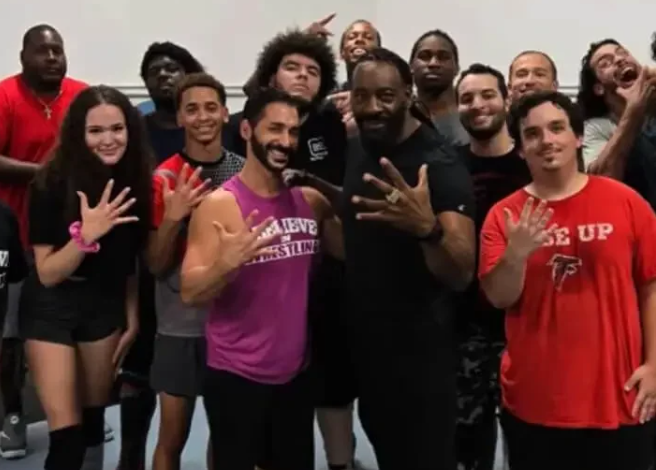
When figures like Rance’s friend Booker T addressed the movement, the initial reflex was a casual acknowledgement that everyone knew what was happening all along—even casually referencing historical "locker room lore" like older generations slipping drugs into women's drinks.
The PR Pivot: The script instantly pivots from admitting deep-rooted systemic abuse to protecting the brand image, framing it as a few bad actors while the foundational culture that bred those exact environments goes completely unexamined.