When WWE ID launched, the pitch sounded like an easy win for indie workers: get a monthly check from Stamford, brand-name recognition, and keep doing the exact same weekend indie bookings you were doing anyway.
For guys who knew Tony Khan wasn't calling, it looked like free cash for playing dibs.
Now, the program is hitting its first cold corporate reality check. Contracts are quietly expiring, names are being trimmed without fanfare, and the pipeline is showing its true teeth.
It’s a sobering reminder that underneath the shiny badge, WWE ID is still standard developmental business—which means talent gets cycled out the second the numbers don't match up.
The Human Cost: Anya Rune’s Story
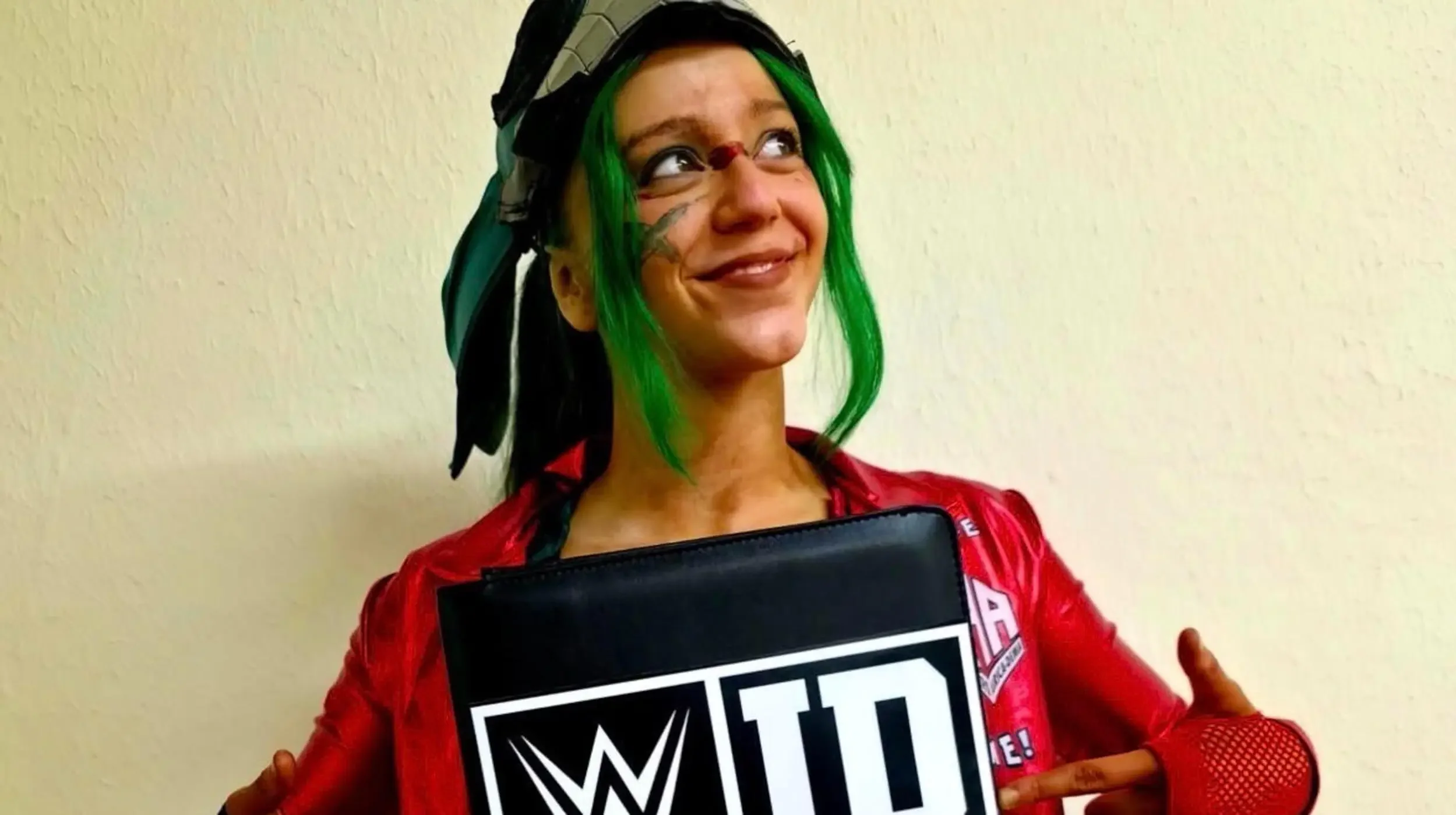
Nothing illustrates the flip side of the system better than the situation surrounding Anya Rune (Airica Demia).
Signing that WWE ID contract was the absolute highlight of her career—the kind of validation young indie wrestlers grind years to reach. But after being rebranded, kept in the system, and navigating the developmental machine, she was quietly cut during the recent roster cleanout.
The psychological toll hit hard. Shortly after her release, Rune publicly announced she is stepping away from professional wrestling entirely, sharing that navigating the system extinguished the passion she had for the ring.
It’s the dark side of the "golden handcuffs." When a major company validates your dream and then drops you 12 months later, you aren't just back on the indies—you're left picking up the pieces of your passion while internet fans stamp you with a "failed prospect" label.
The System Behind the Releases
It’s easy to write off the recent roster drops as a simple holiday slowdown, but the math points to a systematic turnover:
12-Month Cycles: The initial wave of 1-year contracts launched in late 2024 is reaching its expiration date.
Cold Business Calls: Names like Cappuccino Jones, Marcus Mathers, Sam Hardway Holloway, and former Women's ID Champion Laynie Luck have all seen their ties quietly severed or allowed to expire.
The EVOLVE Filter: Stamford is cleanly separating prospects into two buckets: those moving into the WWE EVOLVE pipeline or Performance Center tryouts, and those getting quietly let go to make room for the next class.
The Golden Handcuff Trade-Off
WWE ID was built as a low-cost filter. WWE spends minimal overhead, blocks talent from popping up on AEW or TNA television, and lets indie promoters foot the travel bills while they monitor metrics.
For wrestlers, taking the deal always comes with a hidden trade-off:
Market Freeze: You collect extra cash, but rival promotions won't waste TV time or contract offers on someone tied to WWE.
High-Stakes Burnout: The emotional roller coaster of being "almost there" can destroy a young worker's love for the business if the call-up never comes.
WWE ID isn't a charity or a casual sponsorship. It’s an aggressive corporate scouting network—and as Anya Rune’s story shows, the fallout when the machine moves on is anything but sunshine and money.